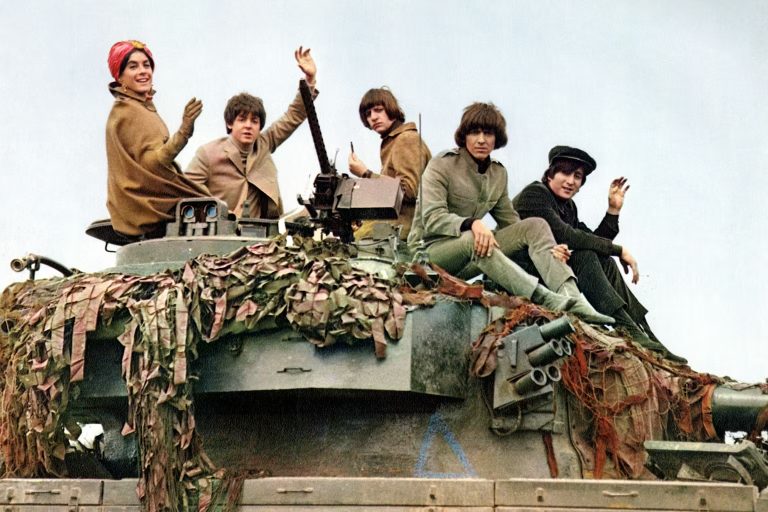
The Beatles’ rise to stardom in America, often seen as a smooth, inevitable success story, was in reality filled with rejection, uncertainty, and behind-the-scenes chaos. A new book by historian Andrew Cook, Capitol Gains: Exposing the Conflict Between The Beatles and the Record Label That Made Them, reveals that before conquering the U.S., John, Paul, George, and Ringo were turned down four times by Capitol Records — despite being signed to EMI in the UK on a meager one-penny-per-record contract. Without U.S. success, global fame seemed out of reach, and early attempts to release their music in America failed miserably.
Manager Brian Epstein’s determination, however, kept their dream alive. When Capitol repeatedly refused to take a chance on the Fab Four, Epstein secured a small deal with Swan Records for “She Loves You,” but the single barely made an impact. It wasn’t until Epstein offered Capitol a hefty incentive — U.S. publishing rights to “I Want to Hold Your Hand” and other Lennon-McCartney songs — that the label finally agreed to sign the band. The gamble paid off spectacularly. Released in December 1963, the single skyrocketed to No.1 on the Billboard Hot 100, launching the Beatles’ American takeover.
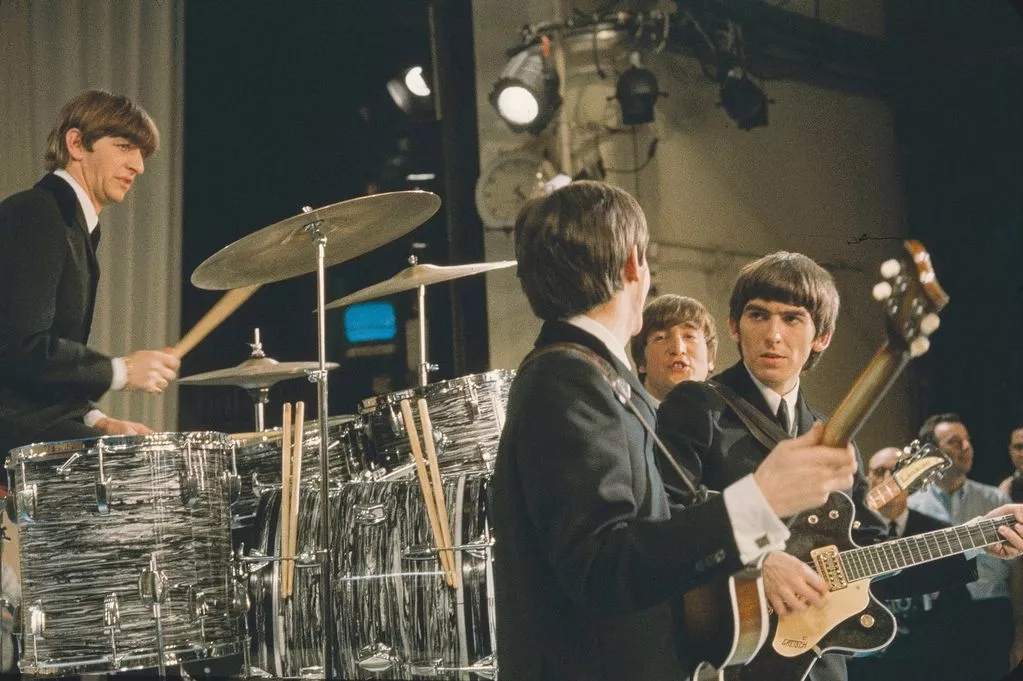
By February 1964, the Beatles’ arrival in New York caused pandemonium. Their appearance on The Ed Sullivan Show was watched by 73 million viewers, marking the official birth of Beatlemania in the United States. Yet success came with new tensions. Capitol, eager to maximize profits, began altering the Beatles’ albums for American audiences — remixing songs, shortening tracklists, and changing cover art. The band was frustrated by the artistic interference, but Capitol insisted their marketing strategy was key to their explosive sales.
Despite artistic disagreements, Capitol’s approach proved commercially brilliant. The Beatles’ first U.S. album, Meet the Beatles!, topped the charts, followed by The Beatles’ Second Album and A Hard Day’s Night, which also hit No.1. By August 1964, the group had the No.1 single and album simultaneously, dominating the Billboard charts for 18 weeks. Their U.S. success opened the floodgates for the British Invasion, paving the way for acts like The Rolling Stones and The Animals to find audiences across the Atlantic.
While the partnership between the Beatles and Capitol was often strained, it ultimately made both sides incredibly wealthy. Cook’s findings suggest that without Epstein’s persistence and Capitol’s calculated marketing moves, the Beatles might never have become the world’s most famous band. What began with four rejections and one backroom deal turned into one of music history’s greatest success stories — a chaotic climb that forever changed the global music industry.
Breaking News: Newly uncovered documents reveal The Beatles’ U.S. breakthrough was far from effortless — marked by four rejections, a bribe, and a record label power struggle that nearly derailed Beatlemania.
About the Author