One of the defining themes of the 2025 Formula 1 season has been the growing importance of extreme technical solutions, particularly in how teams manage their car’s floor — a key source of aerodynamic downforce. McLaren’s strong early-season form came directly from its bold, innovative approach to floor design, which gave the MCL39 a clear competitive edge. The team’s success proved that mastering this hidden area of performance is crucial in the current generation of F1 cars.
Red Bull, initially dismissive of McLaren’s breakthroughs, spent the first part of the season wasting time on baseless accusations of rule-breaking instead of addressing its own shortcomings. Once it shifted focus and adopted similar engineering principles, its performance revived dramatically, restoring its status as a front-runner. This turnaround underscored how essential it is for top teams to fully exploit ride-height management and floor aerodynamics if they want to remain competitive.
Ferrari, meanwhile, attempted to follow this same path with its SF-25, a car designed to break away from the limitations of the SF-24, which had reached its developmental ceiling. The new concept aimed to push boundaries both mechanically and aerodynamically, seeking greater flexibility for upgrades during the season. On paper, it was a bold and forward-thinking strategy, meant to close the gap to McLaren and Red Bull.
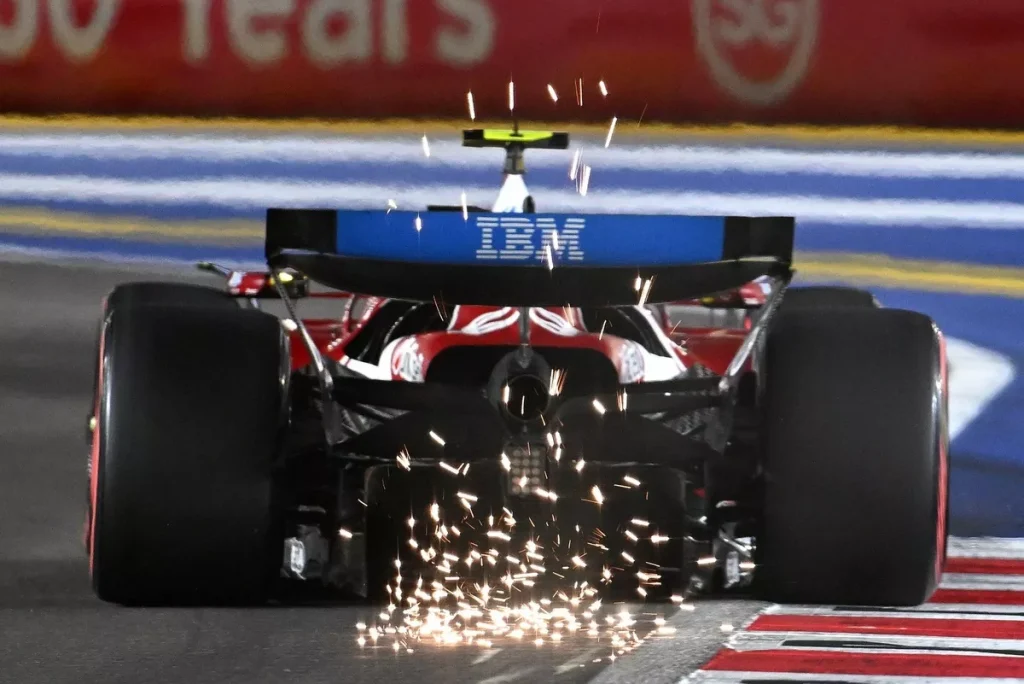
However, the risks of Ferrari’s aggressive redesign quickly became apparent. The SF-25’s ambitious architecture proved too delicate, resulting in a car that is overly sensitive to even minor ride-height adjustments. This fragility has made it difficult for Ferrari to consistently find the car’s optimal setup across different circuits and conditions, undermining its performance and confidence in race weekends.
Ultimately, Ferrari’s pursuit of innovation has exposed the fine line between creativity and instability in modern F1 design. While McLaren and Red Bull have successfully mastered the balance of aerodynamics and mechanical grip through precise ride-height control, Ferrari remains stuck trying to tame a car that is brilliant in theory but unpredictable in practice. The lesson is clear: boldness alone isn’t enough — reliability and adaptability remain the true keys to Formula 1 success.
About the Author