In the immediate aftermath of the Australian Grand Prix, a large portion of the Formula 1 grid wasted little time departing the country, with many drivers boarding flights just hours after the race concluded. Their swift exit was largely driven by financial considerations, as remaining in Australia even a single additional day can result in substantial taxation on their earnings due to the country’s stringent tax regulations for foreign athletes.
Under Australia’s tax framework, non-resident drivers are taxed on the portion of their income associated with activities performed within the country. For elite F1 drivers whose salaries reach tens of millions annually, this can translate into staggering deductions. For instance, a driver such as Max Verstappen, reportedly earning around $70 million per year, accrues more than a million dollars of income during the race week alone—subjecting a significant portion of those earnings to tax rates that can approach 45 percent.
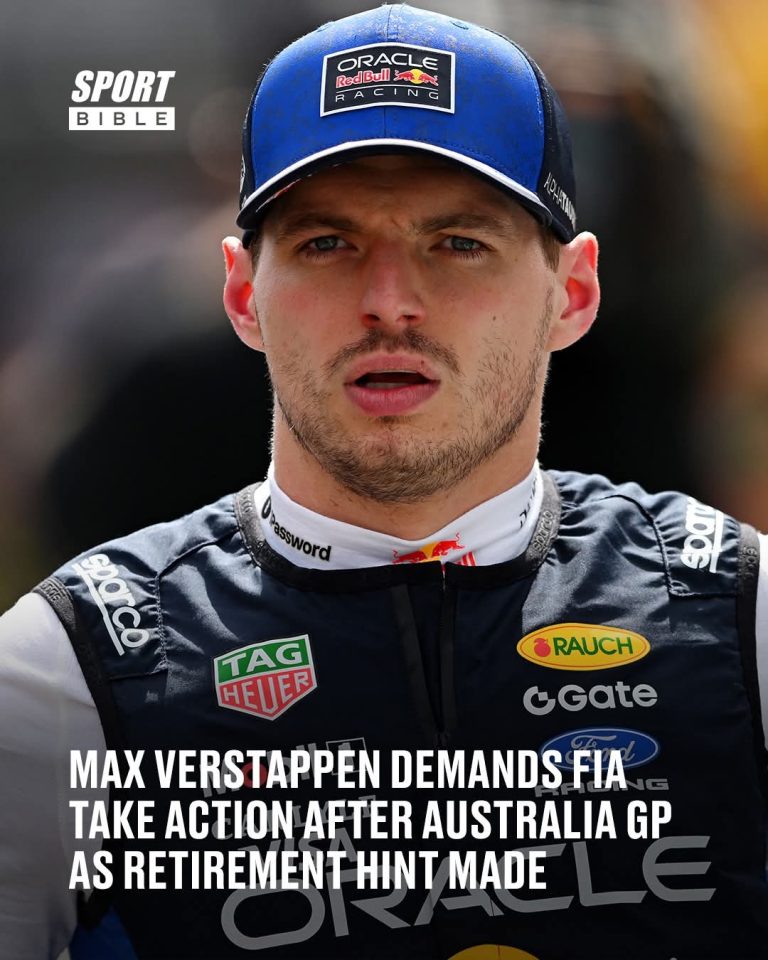
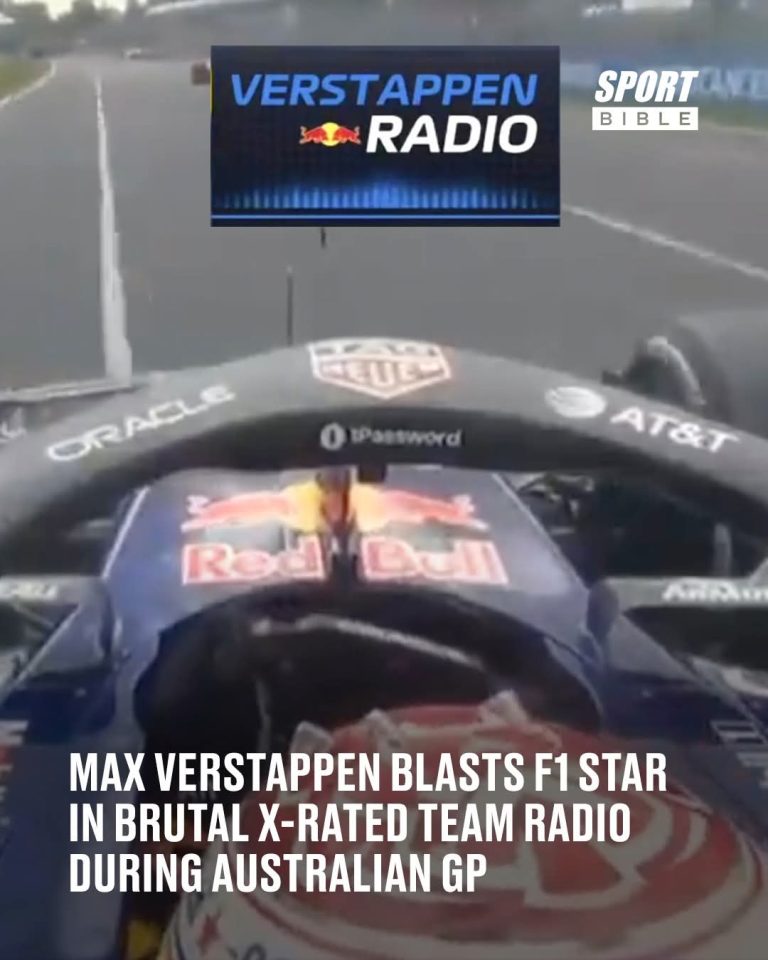
Beyond the financial implications, Verstappen also used the weekend to reiterate his concerns about the direction of the sport. The Dutch champion once again criticized Formula 1’s new regulations and hinted that his long-term future in the championship may not be guaranteed if meaningful changes are not implemented, insisting that the sport must evolve in a way that preserves the raw intensity and identity that define Formula 1.
About the Author