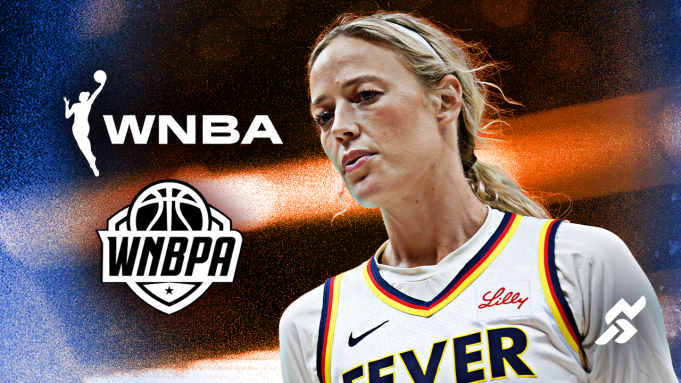
The WNBA is heading toward a potential labor showdown, but experts suggest it will most likely be a players’ strike rather than a lockout. The distinction matters — though both are types of work stoppages, a strike is initiated by players, while a lockout is imposed by team owners. The confusion between the two terms has become common in discussions surrounding the league’s ongoing collective bargaining agreement (CBA) negotiations, which have so far failed to yield a new deal.
The tension reached public attention when Indiana Fever star Sophie Cunningham warned fans earlier this month that players were prepared to sit out if their demands weren’t met. Her use of the term “lockout” echoed what many players and fans have said recently, though her description of refusing to play actually describes a strike. The subtle mix-up reflects how language has shaped perceptions of the dispute, even as negotiations intensify behind closed doors.
Late Thursday, the WNBA and the players’ union (WNBPA) agreed to a 30-day extension to continue talks, temporarily staving off any immediate stoppage. However, if the sides fail to agree on a new deal, analysts believe a strike remains the more realistic outcome. In essence, a lockout happens when owners shut out players after a contract expires, while a strike occurs when players collectively decide not to play due to dissatisfaction with their working conditions or pay structure.
Both actions are tools of leverage — each designed to pressure the opposing side into making concessions. Historically, they’ve led to lengthy negotiations, federal court battles, and labor complaints filed with the National Labor Relations Board. The core difference lies in who initiates the action: owners in a lockout, or players in a strike. In the WNBA’s case, it’s clear the push for change is coming from the athletes themselves.
Players argue that the current CBA no longer reflects the league’s growth or their contributions to it. Despite rising franchise valuations, higher TV ratings, and recent expansion buzz, many athletes believe compensation and benefits remain inadequate. The WNBPA’s decision to opt out of the existing deal underscores that frustration. Meanwhile, league officials maintain that the WNBA is still losing money — around $40 million in 2024 — a figure that complicates calls for sweeping pay increases. As the deadline approaches, both sides are preparing for a critical showdown that could reshape the future of women’s professional basketball.
About the Author