A seismic shock threatens the 2025 Formula 1 title race as both McLaren drivers, Lando Norris and Oscar Piastri, face impending disqualification from the Las Vegas Grand Prix. The FIA has referred the pair to the stewards following an investigation into excessive skid block wear on their cars—a technical infraction that has previously ended the campaigns of Lewis Hamilton and Charles Leclerc earlier this season. The ramifications for the championship standings are enormous, potentially reshaping the fight for the drivers’ crown with only two races remaining.
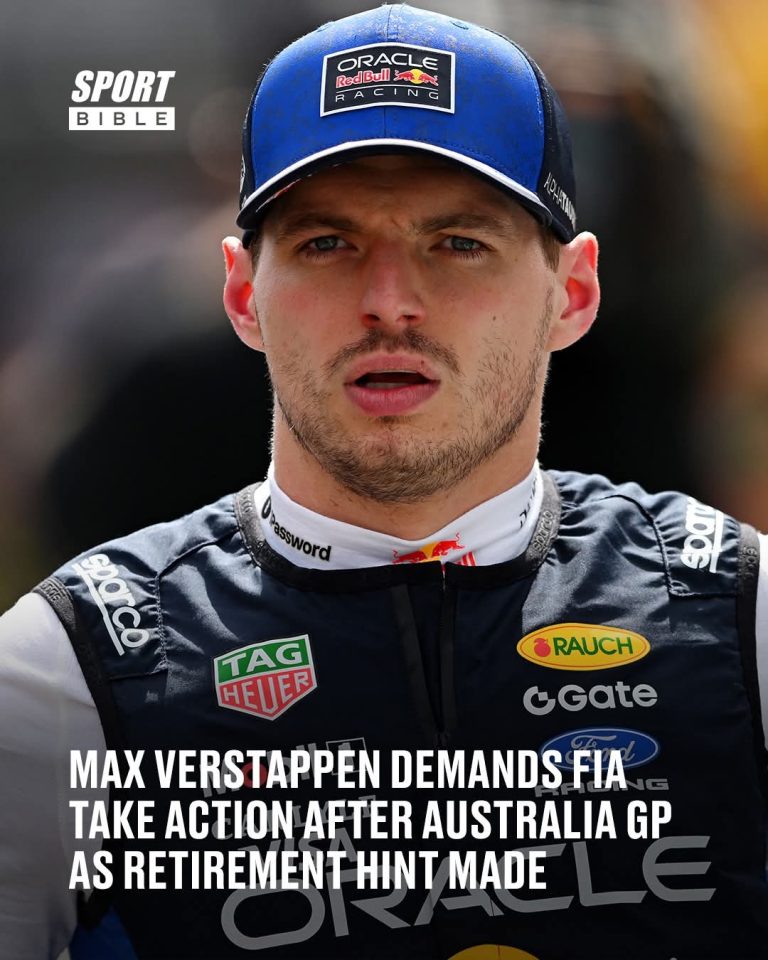
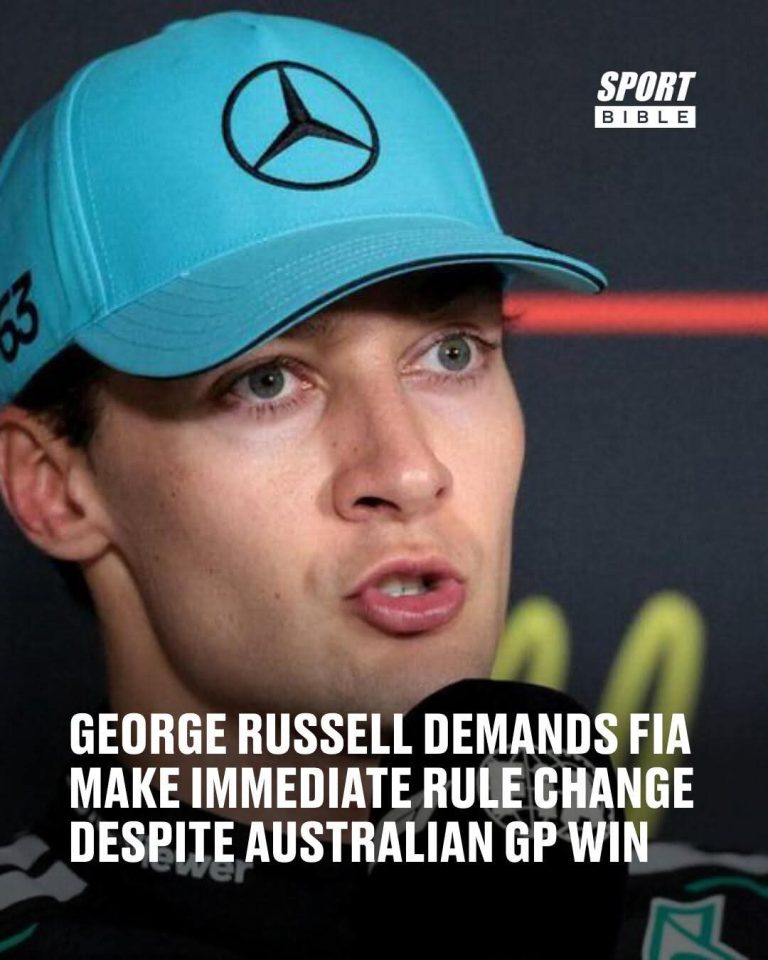
The Las Vegas race itself had already been dramatic, with Max Verstappen seizing the spotlight. Capitalizing on a mistake from Norris, who started from pole but ran too deep into the first corner defending against the Dutchman, Verstappen surged into the lead at turn one. Norris also lost ground to Mercedes’ George Russell in the opening laps, further complicating McLaren’s race strategy. Despite a valiant recovery that brought him back to second place, Norris’ efforts on track may now be overshadowed entirely by the post-race controversy.
The FIA’s scrutiny centers on the integrity of the cars’ skid blocks, which are crucial for maintaining safety standards and ensuring fair competition. Preliminary checks have reportedly confirmed that both Norris’ and Piastri’s vehicles failed to meet the minimum thickness requirements. Given the FIA’s track record, disqualification seems almost inevitable. Such a development would allow Verstappen to close the points gap dramatically, potentially matching Piastri’s total and moving to just 24 points behind Norris in the championship standings.
This looming disqualification underscores the fragile nature of technical compliance in Formula 1. Teams must balance performance with regulatory adherence, and McLaren’s apparent oversight threatens to erase their drivers’ hard-earned progress in Las Vegas. The decision not only affects individual race results but could influence the psychological momentum of the drivers heading into the final two races of the season. Verstappen, meanwhile, emerges with renewed opportunity, turning the controversy into a potential advantage in the championship battle.
As the F1 community awaits the FIA’s final ruling, the atmosphere is electric with speculation. The official documentation confirming the referral of Norris and Piastri to the stewards has only intensified scrutiny and debate across paddocks and fan forums alike. Whatever the outcome, this incident is poised to go down as one of the most dramatic and consequential moments of the 2025 Formula 1 season, reshaping both the title fight and McLaren’s reputation under immense pressure.
About the Author