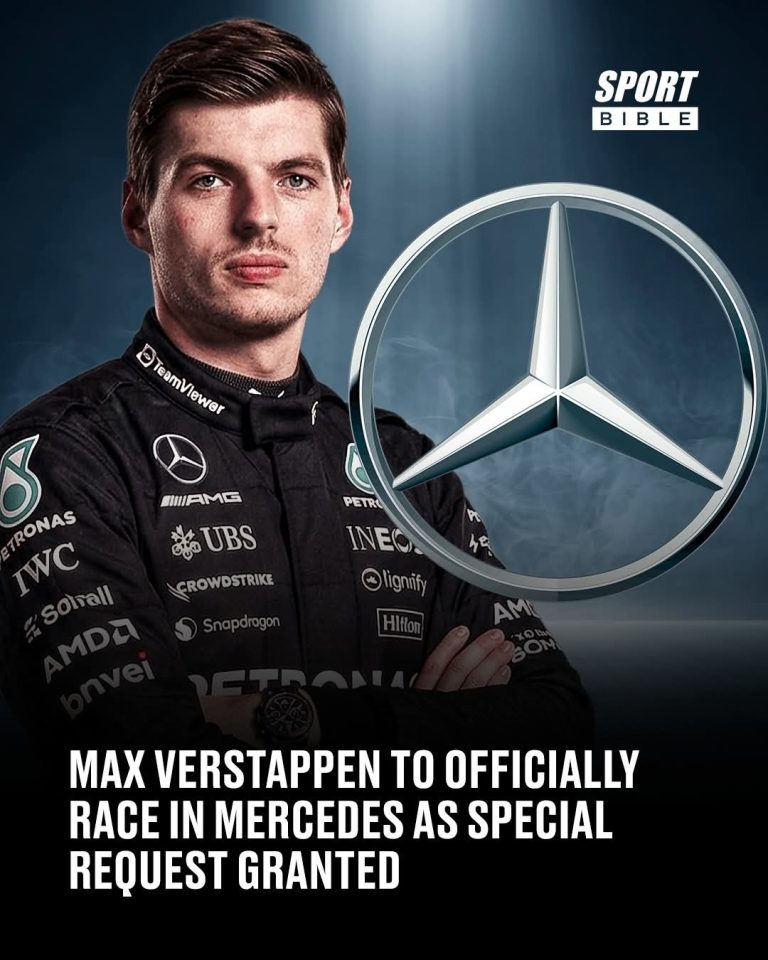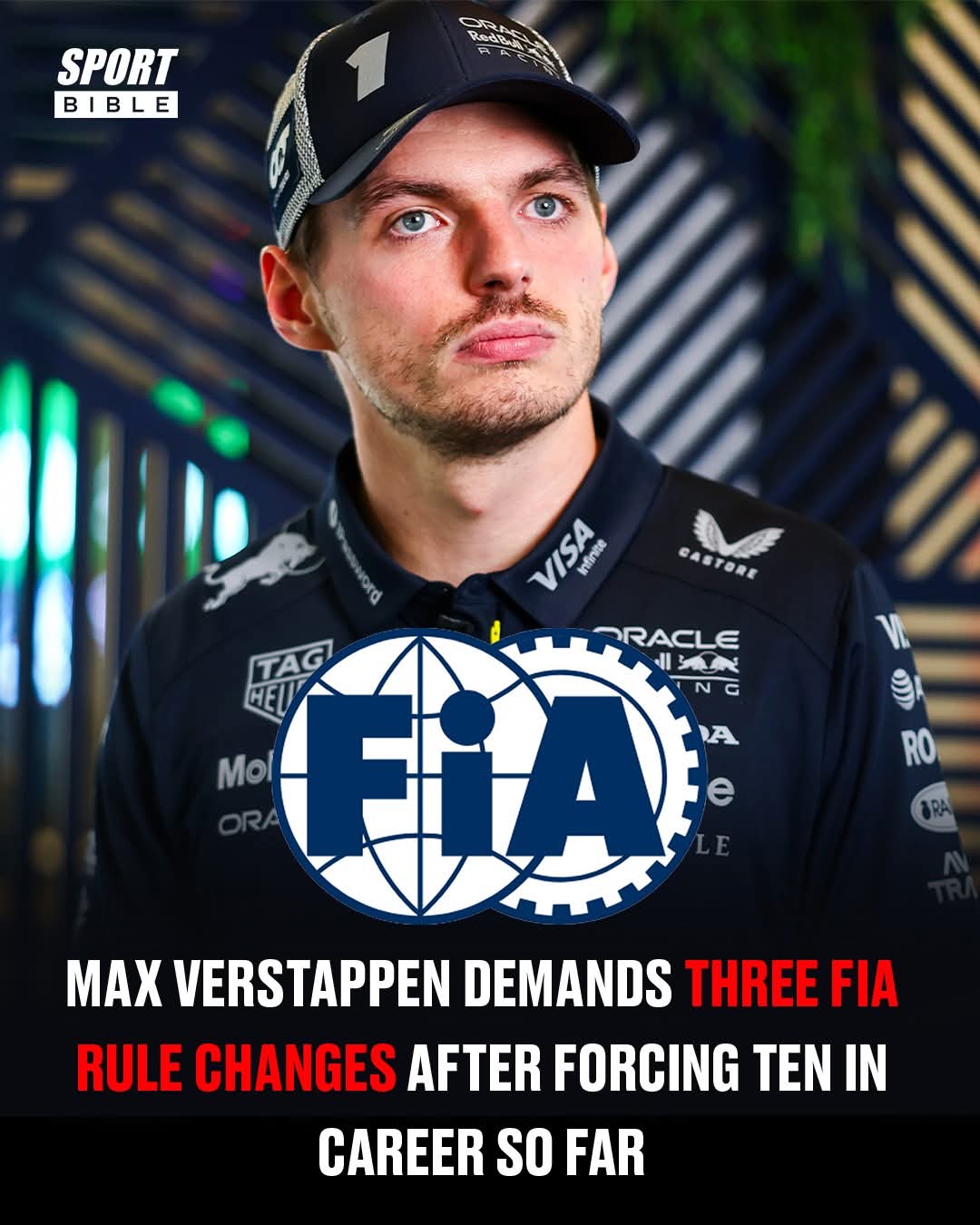
Max Verstappen, already one of the sport’s most influential figures, is once again pushing for sweeping reforms to Formula One’s rulebook — despite having already triggered a decade’s worth of regulatory shifts since debuting in 2015. With four world titles and an era-defining résumé, the Dutchman has shaped everything from super licence age requirements to braking-zone etiquette and even celebratory burnout bans. Yet, as the 2025 season winds toward its finale, Verstappen insists the sport still needs another evolutionary leap.
His latest demands target the sport’s relentless expansion. Verstappen argues that the 24-race marathon has become unsustainable, urging a dramatic reduction in calendar length. He also wants Formula One to move away from over-commercialised street circuits and return its focus to traditional racing venues. For him, the sport’s core has been diluted by showmanship, logistical excess, and a schedule designed more for spectacle than for pure competition. His proposed solution is a stripped-down, purist race weekend: one practice session, a single qualifying bout, and the Grand Prix itself — nothing more.
This stance puts him at odds with Stefano Domenicali, who has repeatedly hinted at shorter Grands Prix and an expanded slate of sprint events to maximise entertainment value. The FIA’s leadership also points to promoters and fans growing tired of lengthy, low-stakes free practice sessions — a sentiment Verstappen ironically supports, though for entirely different reasons. In his view, reducing practice isn’t about boosting spectacle but about preserving drivers’ well-being and reducing the perpetual travel grind. Asked whether he simply wants less time behind the wheel, Verstappen quipped that he has already driven enough for a lifetime.
His reformist zeal extends beyond the calendar and weekend format. With his title challenge fading, Verstappen faces the prospect of surrendering the number one plate he has carried with pride during his championship reign. Under current rules, he must revert to his permanent number — historically 33 — unless crowned champion again. However, Verstappen revealed a desire to switch to number three, a personal favourite. The hitch? That number is still associated with Daniel Ricciardo and cannot be reassigned until the Australian has been out of the sport for two full seasons. Verstappen has hinted that the FIA should revisit that rule as well.
Whether the governing body will entertain yet another Verstappen-inspired revision remains uncertain. But his influence is undeniable: few drivers have reshaped Formula One’s regulatory landscape as thoroughly or as frequently. As he navigates a rare season outside the championship lead, Verstappen appears determined to influence the sport’s evolution long after the title battle is settled — ensuring that his voice remains as disruptive and uncompromising as his driving.
About the Author