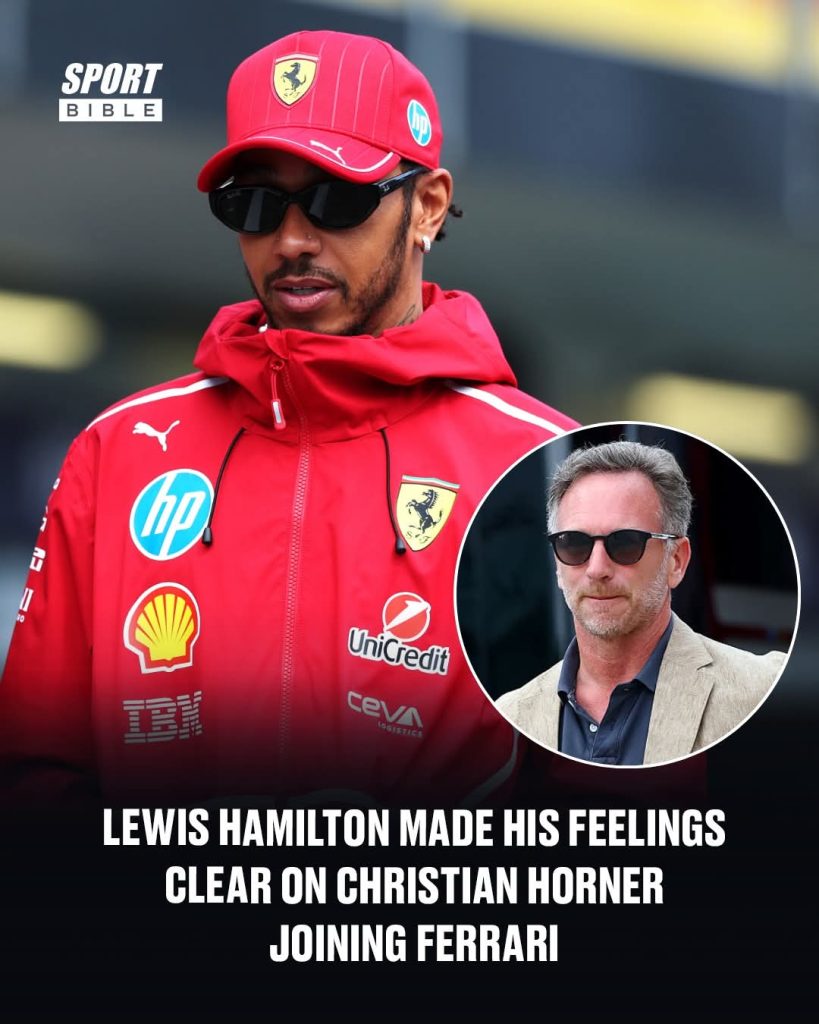
Lewis Hamilton has expressed his perspective on the dismissal of Christian Horner from Red Bull Racing, which coincided with rising rumors linking the former team principal to a potential role at Ferrari. Horner’s exit in July marked the end of his long tenure overseeing Red Bull’s Formula 1 operations, during which he managed every one of the team’s 405 Grand Prix entries since its debut in 2005. Following his removal, Horner entered a period of gardening leave before securing a £52 million settlement that will allow him to return to the paddock in 2026.
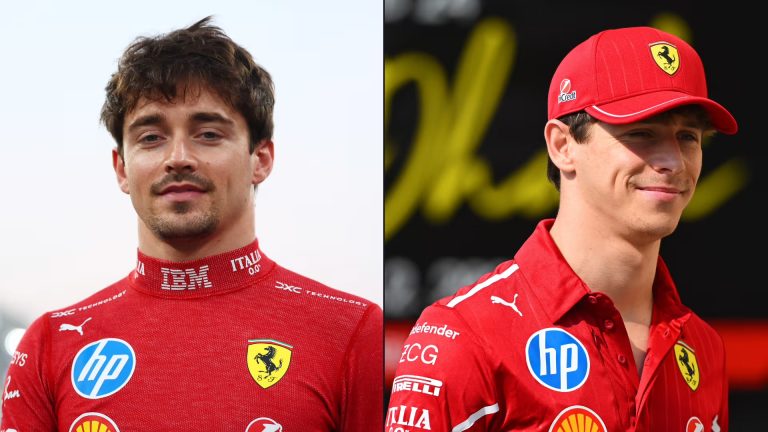
Speculation intensified after veteran journalist Ralf Bach reported that Ferrari chairman John Elkann was intent on appointing Horner as team principal amid growing scrutiny of Frederic Vasseur’s leadership. If the move materializes, Horner would find himself leading a star-studded lineup featuring Lewis Hamilton and Charles Leclerc—an intriguing prospect given his turbulent past with Hamilton. Their rivalry, which reached a boiling point during the infamous 2021 British Grand Prix collision with Max Verstappen, remains one of Formula 1’s most contentious episodes.
Despite their strained history, Hamilton chose a diplomatic tone when asked about Horner’s dismissal. Initially, during a press conference preceding the Belgian Grand Prix, the seven-time world champion dismissed any emotional reaction, stating he was neither surprised nor invested in Red Bull’s internal affairs. “When I’m away from race weekends, I don’t pay attention to what’s happening outside my team,” he remarked, emphasizing his focus on personal growth and performance over external controversies.
However, when questioned further, Hamilton adopted a more reflective stance. He recalled his first encounter with Horner during his early racing days, when Horner managed Arden Motorsport in the junior categories. Though he admitted they “didn’t hit it off from the get-go,” Hamilton acknowledged the impressive trajectory of Horner’s career, praising his ability to build and lead a powerhouse organization like Red Bull. His comments conveyed both professional respect and an awareness of Horner’s undeniable influence within the sport.
Hamilton concluded by extending well wishes to Horner, recognizing his achievements and leadership qualities. “It’s remarkable what he did with the team,” he said, commending the former Red Bull boss for his talent and managerial prowess. While their relationship has often been defined by rivalry and tension, Hamilton’s measured response suggested a sense of maturity and mutual acknowledgment—signaling that even in the fiercely competitive world of Formula 1, respect can transcend rivalry.
About the Author